- 1.Build a coherent mental model for how AI changes civilization.
- 2.Understand how previous technological revolutions transformed societies and institutions.
- 3.Develop intuition for second- and third-order effects rather than focusing only on near-term disruption.
- 4.Better understand the interaction between incentives, institutions, technology, culture, and governance.
- 5.Identify which historical theories remain predictive in an age of abundant machine intelligence.
- 6.Recognize where existing academic frameworks appear insufficient.
- 7.Form my own multidisciplinary perspective rather than adopting a single ideological or disciplinary lens.
- >What happens when intelligence becomes infrastructure?
- >Which institutions become more valuable, and which become obsolete?
- >Does AI strengthen states or networks?
- >Does it concentrate power or decentralize it?
- >What becomes scarce once intelligence is abundant?
- >How should ethics evolve when intelligence is no longer uniquely human?
- >Which historical analogies are genuinely useful?
- >Which assumptions about economics, education, labor, governance, and culture need to be revisited?
An interactive map of the syllabus. The guiding question is at the centre, the seven parts ring it, and each reading connects to its part. Move through the parts and readings with the Tab key and open one with Enter. With a reading in focus, the left and right arrow keys move between the readings of that part and the up arrow moves to the part itself; with a part in focus, left and right move around the ring of parts and the down arrow moves into that part's first reading. Drag to pan, and pinch or hold control while scrolling to zoom; full screen, a two-finger scroll pans as well. Use the full screen button to open the map at the size of the window, which is easier to read on a phone. Escape clears the current selection, then leaves full screen. The same information is available as a list — use the List view button above the map — and as Markdown at /syllabus.md.
Select a part or a reading on the map to see its details. The centre node is the question the whole syllabus is built around: What happens when intelligence becomes infrastructure?

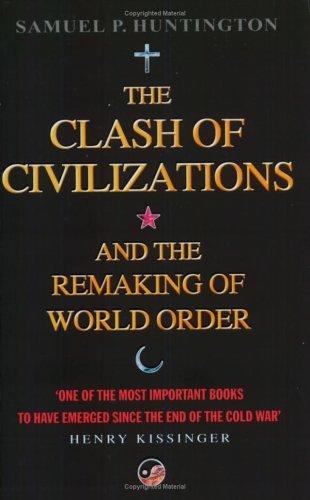
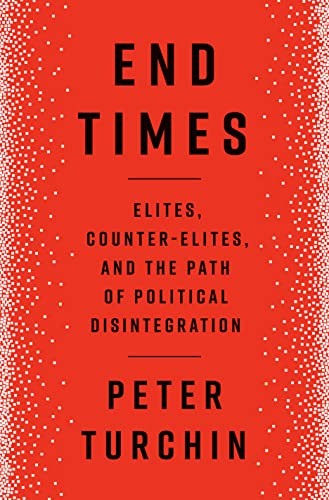
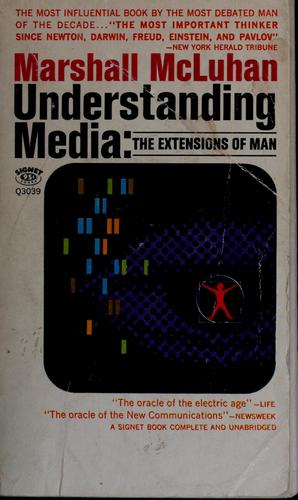
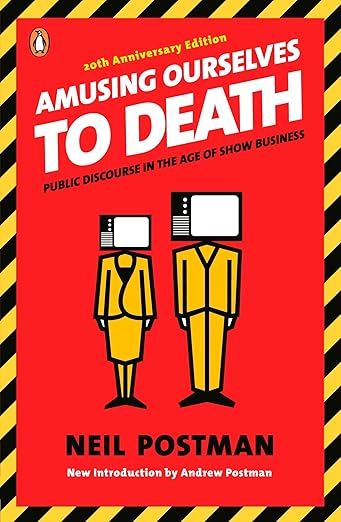
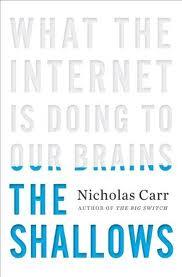
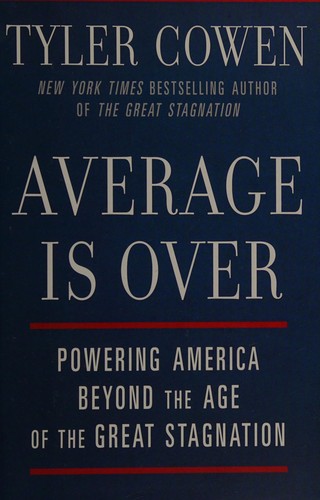
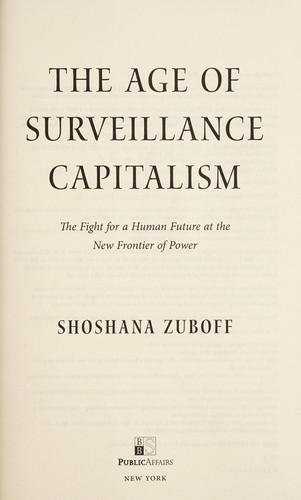
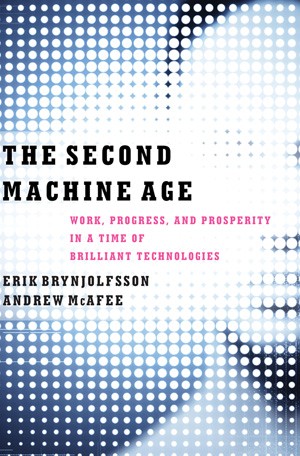
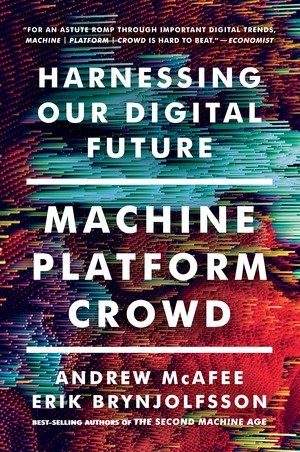
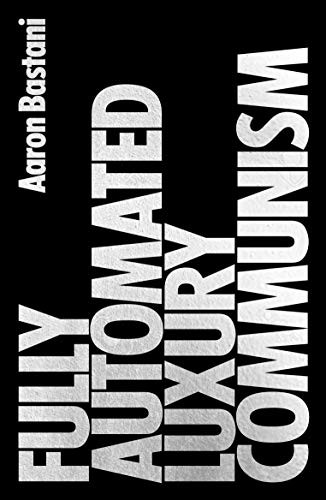

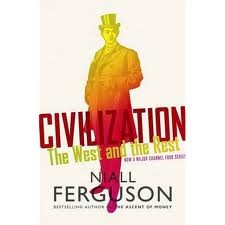
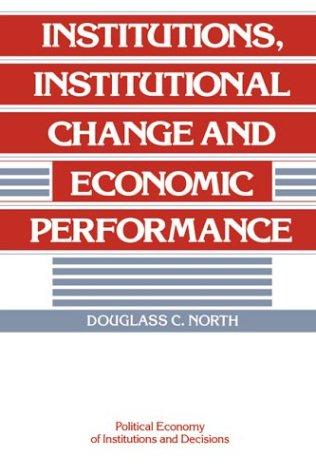

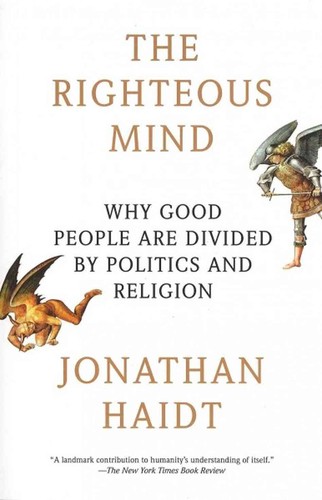

- 1.Neil Postman
- 2.Marshall McLuhan
- 3.Francis Fukuyama
- 4.Samuel Huntington
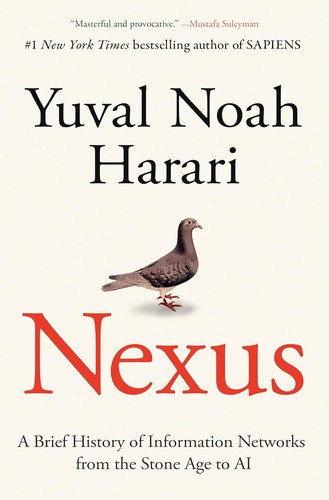
- 5.Yuval Noah Harari
- 6.Tyler Cowen
- 7.Shoshana Zuboff
- 8.Brynjolfsson & McAfee
- 9.Niall Ferguson
- 10.Peter Turchin
- 11.Douglass North
- 12.Peter Singer
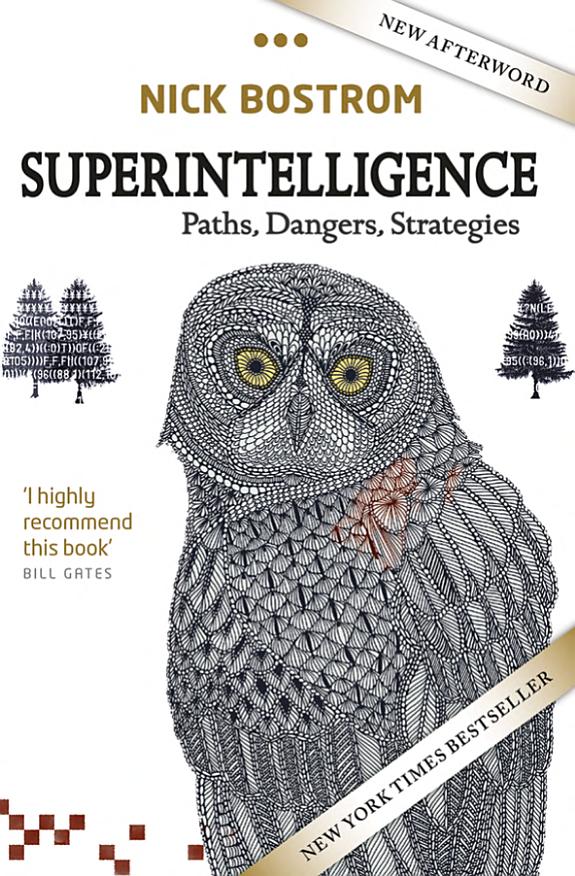
- 13.Nick Bostrom
- 14.Daniel Kokotajlo
- 15.Dwarkesh Patel interviews
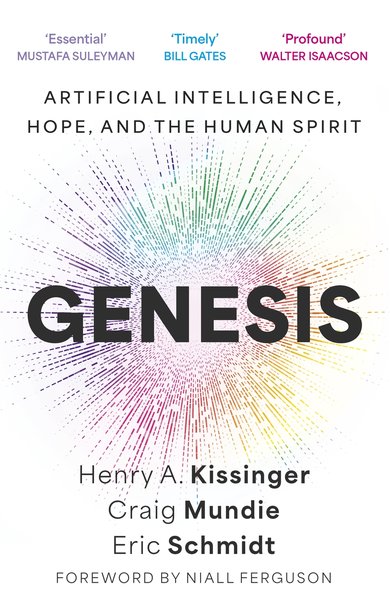
- 16.Genesis
The book I suspect has not yet been written sits somewhere between Neil Postman, Marshall McLuhan, Francis Fukuyama, Tyler Cowen, Yuval Noah Harari, and frontier AI researchers. Its central question would be:
- Electricity democratized energy.
- The printing press democratized knowledge.
- The internet democratized information.
- Large language models may democratize reasoning itself.
That shift has implications for economics, politics, science, education, warfare, religion, identity, creativity, governance, and culture. Understanding that transition — not merely the technology itself — is the overarching objective of this syllabus.